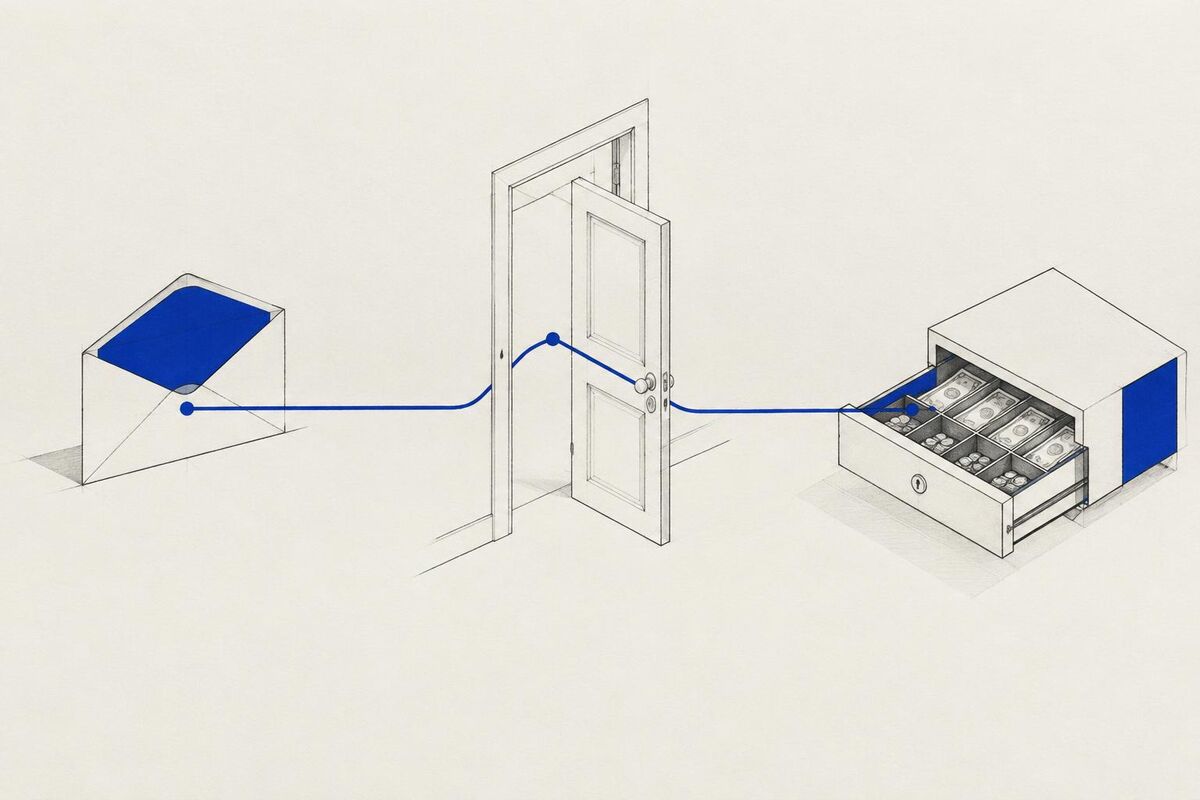
Here is an uncomfortable finding for a brand that promises transparent prices. Showing the fees early really can hurt sales. Researchers Tom Blake, Sarah Moshary, Kane Sweeney and Steve Tadelis studied an experiment on StubHub in which ticket buyers encountered fees at different points. When buyers saw the fees upfront, they bought fewer tickets and tended to choose less expensive seats. Changes in the quality of the seats selected accounted for at least 28% of the decline in revenue. In this study, quality refers to the ticket bought, such as a better seat for the same event. 1
The point has consequences beyond ticketing. A booking page that holds back a fee may win a test judged purely on sales. The buyer who chose a seat while looking at a lower figure had a different picture of the available options. Giving that person the total at the start lets them choose differently. The researchers observed purchases. They did not measure what an independent hotel gains over years when people trust the first price it shows. 1
What changed on the booking screen
In April 2025 Airbnb made the price for the stay, including fees, the standard display in search results worldwide. Its announcement specified that tax treatment varies by market. In some places taxes were already included in the displayed figure. Elsewhere the initial total was before taxes. This was a product decision people could inspect in the search results, well before they had chosen a property. 2
The US provides a separate example of why the first screen matters. A Federal Trade Commission rule covering live event tickets and short term lodging took effect there on 12 May 2025. Businesses within its scope must include mandatory charges in the prominently displayed total, with specified exceptions such as certain government charges. The final payment amount must be shown before the buyer is asked to pay. On 10 April 2026, a US court entered a stipulated order in the FTC's case against StubHub. The $10 million settlement concerned allegations that people had been shown ticket prices without all mandatory fees. The earlier academic experiment and the later enforcement case concerned different events. [3]4
One number a guest can repeat
Imagine a property quoting €140 a night, with a compulsory €30 cleaning charge per stay. For a guest staying two nights the price is €310, assuming taxes are already included and the guest chooses no extras. A nearby place offering €150 a night with no further charge actually costs €10 less for those dates. Showing only nightly prices reverses the order of the two properties. It takes no opinion about either hotel to see what information the buyer needs.
A first price card for the former could read, “€310 for two nights, including cleaning and taxes.” An itemised view can then show €280 for the room and €30 for cleaning. The desk can quote the same amount on the phone. The confirmation email can carry it through. If breakfast is an optional €18 a person, let the guest choose it, then show the revised total for their party. If everyone must buy breakfast, it belongs in the first figure. Applying a brand promise to a booking is largely work of this kind.
Before approving a new checkout, give someone outside the team a phone, a pair of dates and a headcount. Ask them to compare two properties within a fixed budget. Stop when they have chosen and ask what they expect their card to be charged. Write down the answer before opening the payment screen. If the figures differ, find the first point at which a reasonable person formed the wrong expectation. Then check the direct website, social offer, booking partner and reception script for the same discrepancy.
To compare designs, try two versions that both make the full payable amount clear. Vary how the breakdown opens, how the nights are labelled, or where people can choose breakfast. Record bookings alongside errors in predicting the total, cancellations attributed to price and time spent answering fee questions. A team may still choose the version that sells fewer expensive rooms. It will know exactly what buyers could see when they made up their minds.